
Event Design with Impact
An Exclusive Interview with Mike Work
When it comes to creating events that truly connect with people, Mike Work believes impact begins with intention. As Chief Operating Officer and Executive Producer at Velocity Productions, he draws on more than three decades of experience helping faith-based, nonprofit, and corporate organizations turn their visions into reality. His approach blends creativity with a calm, steady leadership style that keeps the focus on the client and their mission.
Mike’s heart for service comes through in the way he talks about event design. To him, an event isn’t just a program to produce, but an experience that can inspire, unite, and move people toward something lasting. In this exclusive interview for Aspire Magazine, he shares how thoughtful design choices, collaboration, and care can transform an ordinary gathering into something deeply meaningful.
What do you love most about events?
What I love most about events is that they’re never just about logistics or production—they’re about people. After more than 30 years in this field, I’ve seen how a well-designed event can shift perspectives, spark connections, and move people toward something greater. Every event is an opportunity to bring a vision to life tangibly and unforgettably.
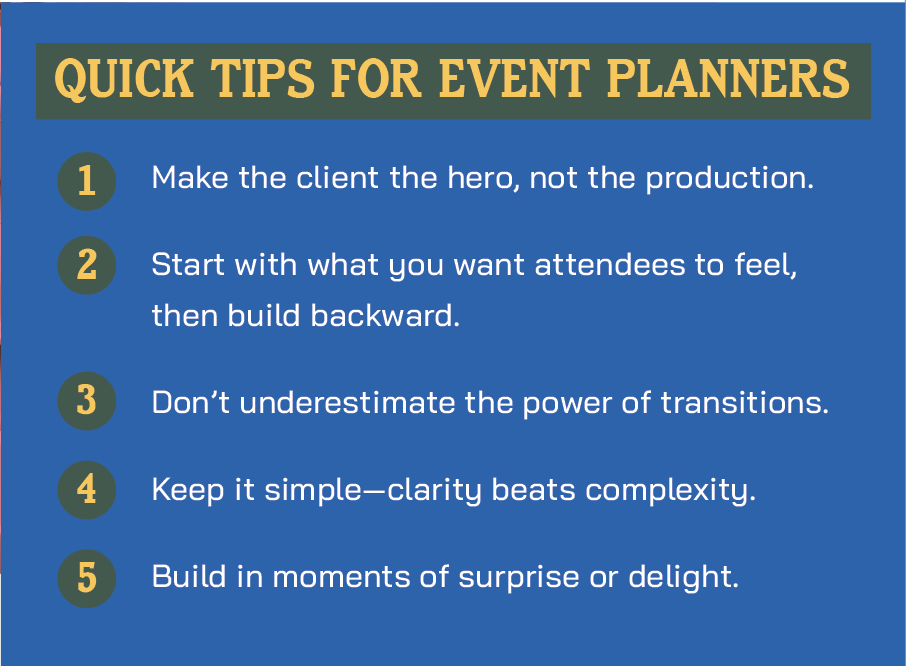
For me, the absolute joy comes in helping clients win. I often tell our team: “It’s not about us—it’s about making the client the hero.” My favorite moments aren’t when people notice the production or the design—it’s when they turn to the client and say, “This was incredible.” That’s when I know we’ve done our job well. The satisfaction comes from being behind the scenes, making sure every detail is executed so the spotlight shines where it should—on the client and their mission. And yes, it’s why we often wear black.
Another aspect I love is the challenge of building something from nothing. Every event begins as a blank canvas, and through creativity, collaboration, and problem-solving, we get to turn that into an environment where people can engage, learn, and be inspired. It’s not easy work—it takes long hours, significant coordination, and a willingness to adapt on the fly—but when you see an audience fully immersed, it’s all worth it.
At the end of the day, events are about impact. The greatest reward for me is hearing stories after the fact—an attendee who was inspired, a donor who was moved to give, or a leader who felt their vision came alive. That’s what makes this work so fulfilling.
What are some common challenges planners face in event design?
One of the most common challenges I see planners face is being overwhelmed by the details. They’re responsible for everything—contracts, logistics, budgets, vendors—and in that whirlwind, it’s easy to lose sight of the bigger picture. Sometimes they get so focused on execution that creativity and attendee experience take a back seat.
That’s where Velocity comes alongside as a partner. We help reframe the conversation around the event's purpose and the attendee's journey. When we start with the questions, “What do we want people to feel? What do we want them to walk away with?” it changes the way we make decisions. Suddenly, logistics aren’t just tasks—they’re tools to support a larger vision. That clarity often brings fresh energy and allows planners to be creative again.
Another challenge is dealing with constraints—whether it’s a limited budget, a difficult venue, or leadership expectations. These constraints can feel frustrating, but I’ve found they can actually fuel creativity. For example, instead of trying to outspend last year’s event with bigger production, we might focus on designing intentional moments of surprise or connection that cost little but mean a lot. True creativity often emerges when you have to innovate within boundaries.
Finally, planners face the pressure of expectations—both their own and their stakeholders’. My role is to take some of that weight off by anticipating problems, ensuring production runs seamlessly, and providing solutions before issues even arise. When planners know they can trust us with the details, they can focus on what matters most: engaging with their audience and delivering their message.
Why is designing the attendee journey an essential approach for event planners?
Because attendees don’t experience an event as a series of isolated segments—they experience it as a story. They don’t walk away remembering the entire agenda or every detail of production, but they do remember how the event made them feel. That’s why designing the attendee journey is so important. It’s about intentionally shaping the emotional flow of the experience from beginning to end.
When you think in terms of a journey, you’re not just filling time slots—you’re crafting moments. You’re asking: where do we want to surprise them? Where do we want to challenge them? Where do we need to give them space to breathe, reflect, or connect? By mapping that out, you create a rhythm that keeps people engaged and makes the experience cohesive.
This approach also helps prevent common pitfalls. Too often, events feel disjointed, with abrupt transitions or an overload of content. By focusing on the journey, you create a sense of flow. Even the in-between moments—such as walk-ins, breaks, and transitions—are designed with intention. That keeps the energy moving forward instead of stalling.
Ultimately, this approach shows respect for attendees. They’ve invested time and resources to be there, and we owe it to them to give them more than just a program. We can give them an experience that feels purposeful and transformative. That’s when people walk away saying,
“This event mattered.”
How can intentional design choices spark engagement & create meaningful memories?
The truth is, people generally don’t remember the content word-for-word—but they always remember how an event made them feel. Intentional design is the key to creating those feelings. Every detail—lighting, sound, staging, images, seating, storytelling—either pulls people in or leaves them disconnected.
For example, the way attendees are welcomed sets the tone for the entire event. A cold, uninviting space can make them passive, while an environment that feels alive and intentional can immediately spark engagement. Similarly, the pacing of transitions matters just as much as the main moments. If transitions are sloppy or drag on, the energy drops; if they’re seamless and purposeful, attendees stay engaged.
One of my favorite tools is the element of surprise. A creative moment that no one expected—a story told at just the right time, a sudden shift in atmosphere, or even a simple pause—can become the memory attendees carry with them years later. These moments don’t have to be expensive or flashy; they just need to be thoughtfully placed and aligned with the purpose of the event.
At the core, intentional design communicates care. When attendees realize that someone anticipated their needs and crafted the experience with them in mind, they feel valued. And when people feel valued, they engage more deeply. That’s what makes an event truly memorable.
How do you measure if an event has achieved the impact you hoped for?
Impact has layers. On the surface, you measure tangible outcomes—such as attendance numbers, donor giving, sales results, participant evaluations, or engagement levels. Those metrics matter and provide a clear picture of success against the stated goals. But they’re just one part of the story.
Equally important is qualitative feedback: What did attendees say? How did they feel? Did they describe the event as inspiring, motivating, or transformative? Sometimes, a single story from an attendee about how an event moved them says more than a hundred survey responses. Those personal accounts often capture the heart of the impact better than numbers can.
I also look at what happens after the event. Did it create momentum? Did leaders notice stronger unity, renewed passion, or tangible action steps being taken? Events are catalysts, and the true test of impact is whether they spark ongoing movement in the weeks and months that follow.
Ultimately, the best measure of success is whether the client feels they accomplished their goals. If they walk away saying, “This event helped us achieve what we needed,” or “Our people are more connected and inspired because of this,” then we’ve succeeded. For me, that’s the most important outcome—helping clients win in a way that makes them proud of what they offered their audience.
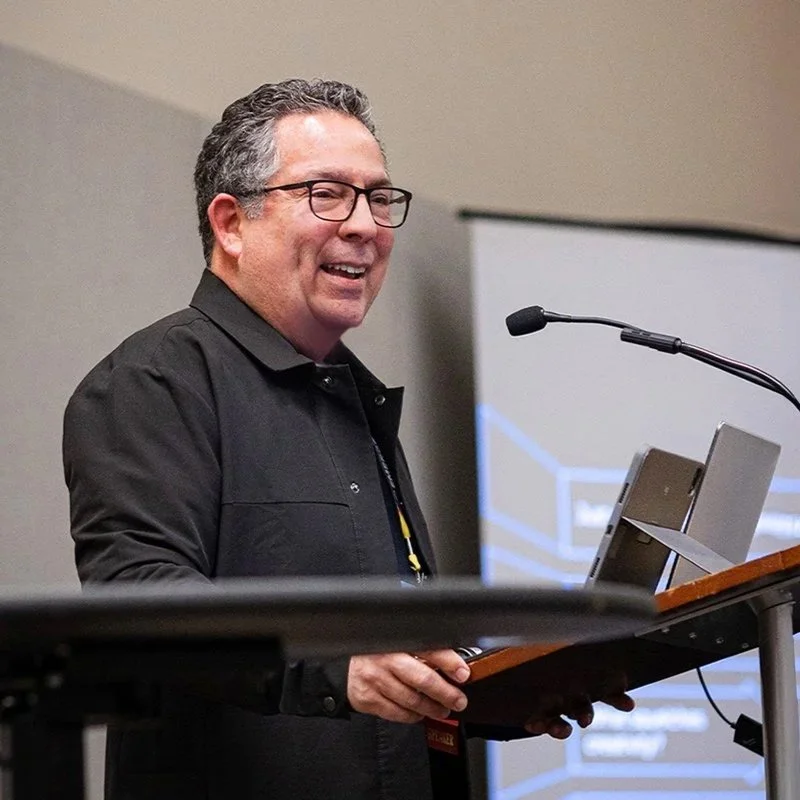
Mike Work is a seasoned live experience producer and strategic leader with over four decades of experience in ministry and event leadership. As COO and Executive Producer at Velocity Experiences—a leading live event experience company—he collaborates with corporate, nonprofit, and faith-based organizations to create impactful gatherings that inspire and motivate action.
Mike’s background includes executive leadership at large multi-site churches, and his production portfolio features nationally recognized events and clients such as Urbana 25, Compassion International, LTK, The Museum of the Bible, Youth Specialties, Youth for Christ, the STORY Conference, CCCA, Movement.org, and AXIS. His combination of operational expertise, creative vision, and hands-on event management enables him to bring strategic clarity and meaningful experiences to every audience he serves.