
Crisis has a way of changing the questions people ask. Before a crisis, faith is often about meaning, purpose, and growth. After a crisis, the questions become simpler and harder at the same time. Why did this happen. Where was God. How do we move forward when things no longer feel steady.
In moments of collective upheaval, whether caused by violence, natural disasters, illness, loss, or prolonged uncertainty, faith communities often become places where people bring their rawest emotions. Grief sits next to anger. Hope mixes with doubt. And many people quietly wonder if it is acceptable to still believe when belief feels fragile.
Resilience after crisis does not mean returning to how things were before. That version of the world is gone. Real resilience is about learning how to live honestly in the world as it is now. Faith can help with that, but only when it makes room for complexity.
One of the most important shifts faith communities can make after crisis is moving away from quick answers. Cliches may be well intentioned, but they often shut down conversation. When people are hurting, they do not need explanations. They need companionship. They need to know they are not alone in their confusion or pain.
Faith traditions at their best understand this. Sacred texts are filled with voices that cry out, question, and protest. Doubt is not a failure of faith. It is often evidence that faith is being taken seriously. Communities that allow space for these voices become places of healing rather than pressure.
Resilience also grows through connection. After crisis, people often feel isolated even when surrounded by others. Simple acts like shared meals, check in conversations, or gathering without an agenda can restore a sense of belonging. These moments may seem small, but they rebuild trust and safety one interaction at a time.
For leaders and meeting professionals, the tone set after a crisis matters deeply. People are watching not for perfection, but for presence. Leaders who acknowledge uncertainty, admit they do not have all the answers, and stay engaged send a powerful message. We will face this together.
Wellness in a faith context is not about eliminating pain. It is about learning how to hold pain without being defined by it. Practices like prayer, reflection, music, and ritual can offer grounding, but only when they are offered as invitations rather than expectations.
Over time, something subtle often happens. Faith does not necessarily become louder or more confident. Instead, it becomes quieter and more durable. It shows up in patience. In kindness. In the willingness to stay connected even when it would be easier to withdraw. A fractured world does not need perfect faith communities. It needs honest ones. Communities that allow grief and hope to coexist. Communities that understand resilience is not a destination, but a process.
Faith after crisis is rarely the same as before. But when nurtured with compassion and humility, it can become deeper, more humane, and more capable of sustaining people through whatever comes next.
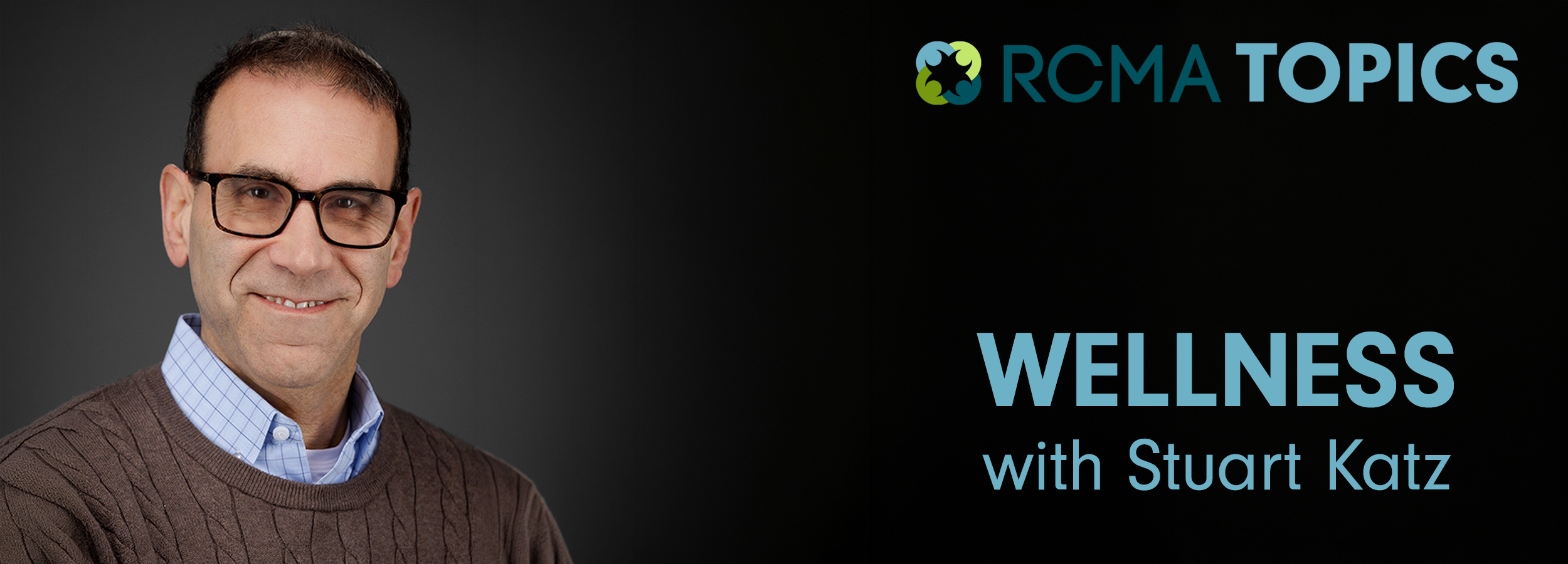
Stuart Katz, PsyD, MPH, MBA, is a psychologist, writer, and international speaker focused on mental health, faith, and community resilience. With more than three decades of experience, he brings a practical, compassionate voice to conversations about wellness, listening, and healing in times of stress, crisis, and recovery.