
Fresh Ideas for Food and Beverage

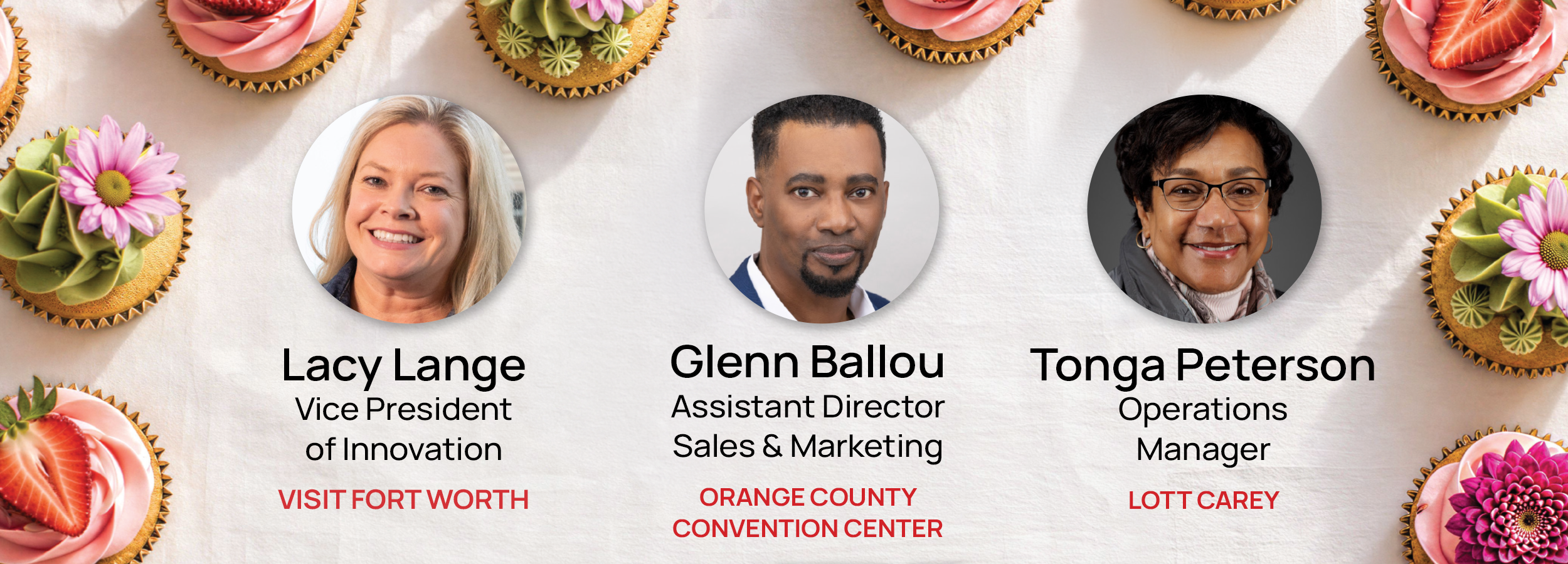
Food and beverage can be one of the most memorable parts of a meeting, and one of the toughest areas of the budget to manage. As costs rise and attendee expectations evolve, planners and culinary teams are finding creative ways to deliver experiences that still feel thoughtful and special. We invited meetings industry professionals Lacy Lange, Glenn Ballou, and Tonga Peterson to share what they are seeing and what planners can do to make the most of every F&B dollar.
What are the biggest challenges with event food and beverage today?
Lacy Lange: We’re all being asked to do more with less. Stakeholder expectations remain high, while budgets haven’t kept pace with rising food and labor costs. The opportunity is to get creative by rethinking formats, leaning into local partnerships, and finding ways to make an experience feel elevated without the traditional price tag.
Glenn Ballou: One of the biggest challenges is balancing rising food and labor costs with attendee expectations for quality, customization, and sustainability. Supply fluctuations and a wider range of dietary needs also require culinary teams to be much more flexible. For us, that means thinking carefully about ingredients, service, efficiency, and presentation. The goal is still to give attendees a memorable dining experience while working within the realities of today’s costs.
Tonga Peterson: The biggest challenge continues to be cost! Rising food and labor costs, along with taxes and gratuities, put pressure on everyone involved. Planners are trying to stay within budget while still creating a quality experience, and chefs and venue teams are being asked to deliver variety and creativity within those same financial parameters. The key is finding the right balance between cost, quality, and the attendee experience. As planners, we need to be realistic about what we want to accomplish and work with the venue and culinary team to figure out the best way to get there.
How can planners, chefs, caterers, and venue teams best work together
to develop quality food and beverage experiences that stay within budget?
Lacy: Bring everyone to the table early, rather than sequentially. A lot of budget surprises happen because the planner locks in a concept and the venue and caterer are left reacting to it afterward. If your CVB can facilitate a conversation among the planner, chef, catering lead, and venue operations team before contracts are signed, everyone can identify cost drivers and creative alternatives while there is still flexibility.
Glenn: The best results come when the planning and venue teams start talking early and keep communicating throughout the process. Those first conversations should cover the budget, attendee demographics, dietary needs, service style, and the overall goals for the event. From there, the culinary team can suggest seasonal ingredients, menu alternatives, or different approaches to service that help control costs. Regular check-ins also give everyone a chance to adjust as attendance or plans change.
Tonga: Share your budget, projected attendance, priorities, dietary considerations, and overall vision with the venue team as early as possible. Historical data from previous events is also a huge plus.
Grouping, or “ganging,” menu selections can help control costs, reduce waste, and streamline kitchen operations. It is also important to stay open to ideas from the chef. I experienced that firsthand recently. The best solution turned out to be different from the menu I originally envisioned. By giving the chef room to be creative, we ended up with something that exceeded my expectations and gave our attendees a memorable experience.
Start the conversation early, be honest about the budget, and trust your culinary partner. That gives everyone time to find creative solutions together.
What is one fresh or creative F&B idea you’ve seen create a memorable meeting experience?
Lacy: “Choose your own adventure” grazing stations instead of a plated meal. Think several smaller stations, such as a regional cheese and charcuterie board, a build-your-own taco bar, or desserts from a local bakery, rather than one large buffet line.
I like this approach because it naturally accommodates different dietary needs, gets people moving and mingling, and gives planners some flexibility with the budget. You can add or remove a station without having to rethink the entire menu.
Glenn: We recently hosted a beauty industry event where our chef and bakery team created edible chocolates shaped like perfume bottles, makeup brushes, lipsticks, and other beauty products.
It was a great example of food becoming part of the event itself. The details connected directly to the theme, and the clients loved discovering the different pieces. It turned a simple amenity into something people were talking about and photographing.
Tonga: Some of the most memorable F&B experiences connect the menu to the region, the culture of the event, or its overall purpose. As attendees become more health-conscious and culturally diverse, planners have even more reason to be thoughtful about how the menu fits the people in the room.
Recently, I experienced this with a Southern-inspired blueberry menu that included blueberry iced tea, blueberry chicken, complementary sides, and dessert. Who knew blueberries could become such a conversation starter?
It was a simple idea that took a familiar meal and made it memorable. When the food, beverages, presentation, and service all connect to the setting or theme, the meal becomes part of the experience attendees remember.
What are three practical ways to stretch a F&B budget?
LACY:
Build menus around what is in season and readily available.
Chefs can usually keep costs down when they are not sourcing out-of-season or imported ingredients, and seasonal produce is often fresher and more flavorful. Ask your caterer what will be in season for your event dates and let that help shape the menu.
Adjust portions or the number of courses before sacrificing quality.
Fewer well-executed courses or slightly smaller portions can preserve the overall experience while lowering costs. Work with your caterer to identify places where the menu can be scaled back without affecting the ingredients or presentation.
Choose a format that fits the group instead of defaulting to a plated meal.
Stations, family-style service, and grazing setups often cost less per person than a fully plated three-course meal, since they reduce labor and allow more flexible portioning. Ask your caterer to price out two or three format options for the same guest count so you can compare real numbers.
GLENN:
Match the service style to the event.
A breakfast buffet, plated luncheon, networking reception, and formal dinner all have different cost considerations. Talking early about the schedule, guest count, and attendee expectations allows the venue team to recommend a service style that fits both the experience and the budget. We can also adjust the level of presentation and service depending on the priorities of the event.
Build menus around seasonal and versatile ingredients.
Using seasonal and locally available ingredients can help control costs while maintaining freshness and quality. Our culinary team also looks for ingredients that can work across breakfast, lunch, dinner, or receptions, which can create additional efficiencies.
Watch guest counts closely.
Accurate attendance projections are one of the simplest ways to manage F&B costs. Reviewing registration and guarantee numbers throughout the planning process allows the culinary team to adjust orders and production, reducing unnecessary food and expense.
TONGA:
Talk about the budget early.
Don’t wait until the menu is nearly finalized. Share your financial parameters and priorities with the sales and venue teams from the beginning and ask them where they see opportunities to save. If you are working with a third-party planner, include them in those conversations as well.
Consider the service style carefully.
Talk with the chef and venue about whether a buffet, plated meal, reception, or another format makes the most sense for your particular event. Depending on attendance and service expectations, a buffet may provide variety while also creating efficiencies.
Stay flexible with portions and selections.
Consider how many entrée choices are truly needed and whether a well-designed vegetarian option can serve a broader range of attendees. Thoughtful portioning and menu design can help control both cost and waste while giving the culinary team room to suggest solutions.
Successful food and beverage planning is a collaborative and creative process. The earlier planners engage their venue and culinary partners, the more opportunities everyone has to create a quality experience while staying mindful of the budget.