
The Ministry of Listening: When Silence Heals More Than Speech
Many of us have been taught that helping means saying the right thing. Offering advice. Finding the perfect words. Filling the silence so no one feels uncomfortable. In moments of pain or uncertainty, silence can feel awkward, even irresponsible.
And yet, some of the most healing moments in our lives happen when someone simply listens. Listening is an active choice. To stay present. To not fix, explain, or rush someone forward. In faith communities especially, listening can become a quiet form of ministry that requires only attention.
When people share something difficult, their first need is often safety. They are testing whether their story can be heard without being corrected, minimized, or spiritualized too quickly. Silence, when offered with care, communicates respect. It says: your experience matters enough to be heard fully. This kind of listening can feel unfamiliar. We want to help, reassure, and move things toward hope. When we rush to speak, we can interrupt the healing that was already beginning.
Faith traditions offer powerful models of this presence. Sacred texts are filled with moments where waiting, witnessing, and staying near matter more than words. Silence creates space for truth to surface at its own pace. For leaders and meeting professionals, listening well is an essential wellness skill. Conferences, retreats, and gatherings often bring together people carrying unseen burdens. When leaders model attentive listening, they set a tone of dignity and care that ripples outward and builds trust.
Listening does not require agreeing with everything that is said. It means honoring the person behind the words and resisting the urge to offer solutions before understanding the problem. Sometimes the most supportive response is a simple “I am glad you told me.” Silence can also be a form of humility. It acknowledges that not everything can be fixed in a single conversation and that walking alongside someone can be more powerful than certainty.
Wellness in faith communities grows when people feel seen and valued. Deep listening fosters that environment. In a world filled with noise, opinions, and constant commentary, it creates room for reflection, connection, and compassion. When we learn to honor silence, we discover that it is often one of the clearest expressions of care.
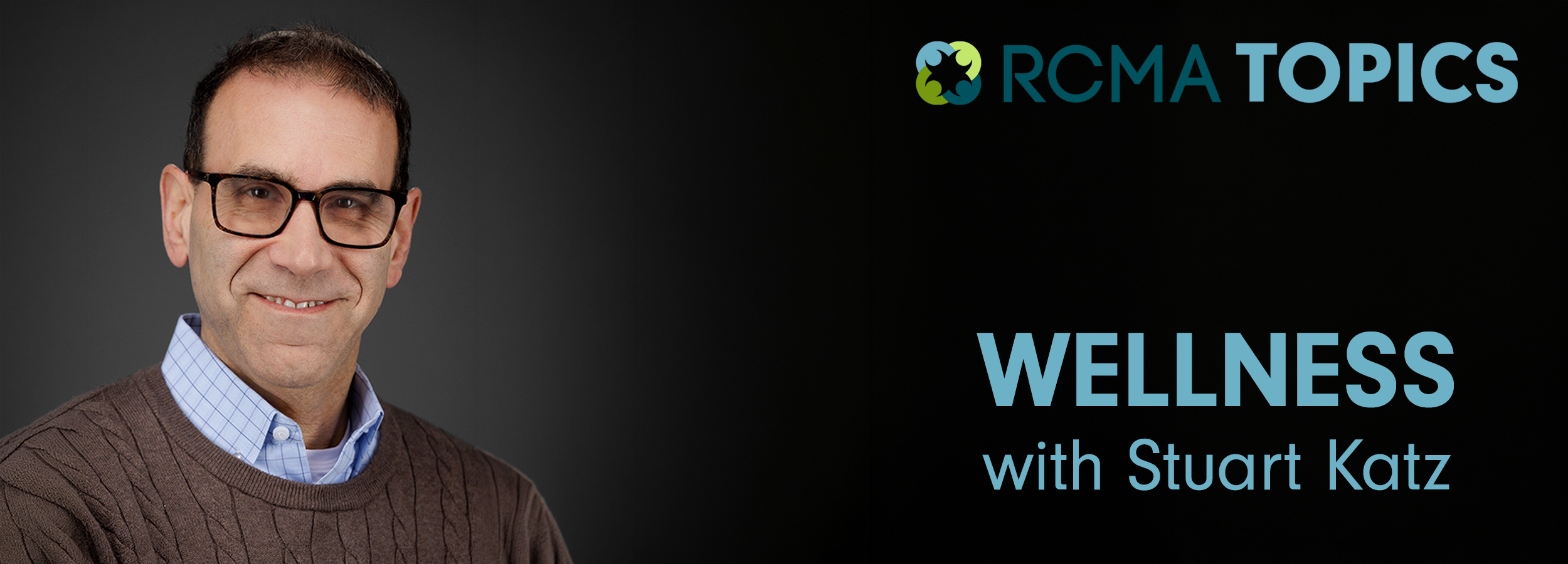
Stuart Katz, PsyD, MPH, MBA, is a psychologist, writer, and international speaker focused on mental health, faith, and community resilience. With more than three decades of experience, he brings a practical, compassionate voice to conversations about wellness, listening, and healing in times of stress, crisis, and recovery.