
Tips & Trends: Event Design
Transform Your Keynotes
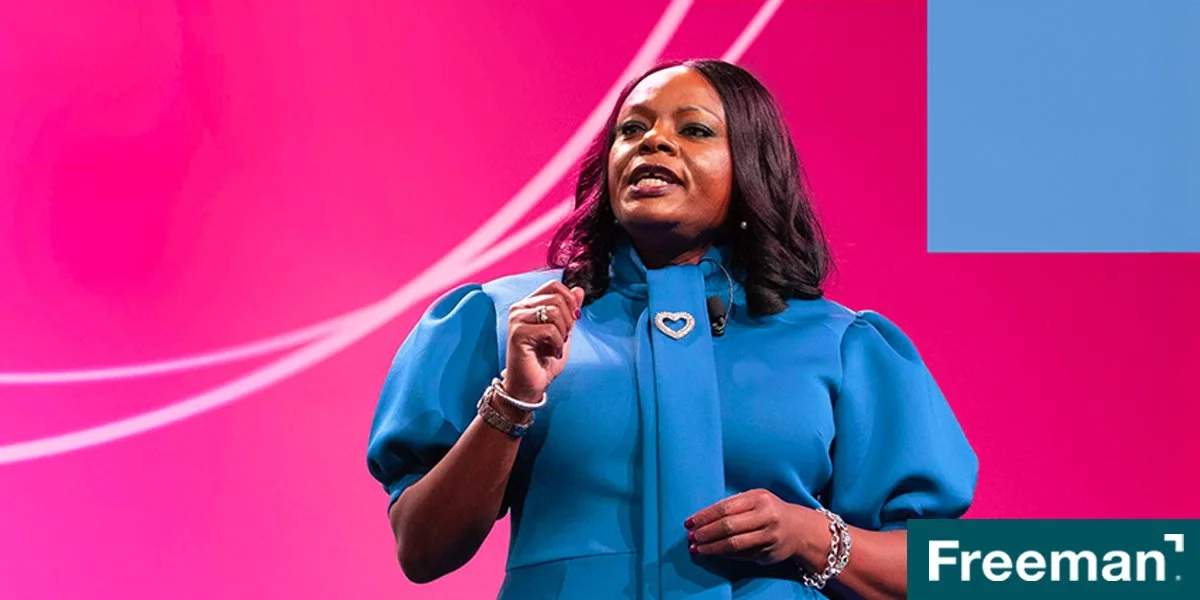
“5 Design Trends to Transform Your Keynote” from Freeman explores how thoughtful production design can turn a general session into a shared experience. The article encourages planners to see lighting, staging, and seating as tools for storytelling, not just logistics.
IDEAS FOR PLANNERS:
Use creative layouts like wraparound or curved seating to bring people closer to the message.
Let lighting and visuals cue emotion, signal transitions, and guide attention.
Build intentional pauses and surprises that refresh focus and spark connection.
Keep every design choice tied to the story you want to tell.

Design with Intention
Every successful event begins with clarity of purpose. The article “How to Use Intentional Design to Make the Most of Your Next Event” from Corporate & Incentive Travel Magazine (CIT) explores how neuroscience can help planners design experiences that match how people think, learn, and connect.
One practical idea is to consider attendee pathways within main sessions—the way people enter, engage, and move through key moments. When those transitions are planned with care, focus stays high and energy feels natural. Another useful approach is content flow. Arrange speakers, stories, and visuals in a sequence that builds momentum and leads to a clear takeaway. For planners, it’s about guiding the audience on a journey rather than filling an agenda.
The article explores how brain-based insights and space design can help planners create events that feel cohesive, purposeful, and memorable.

Experiential Event Design
BoomPop’s article “7 Key Elements of Event Experience Design”, inspired by Priya Parker’s The Art of Gathering, points out that many events focus on logistics and miss opportunities for real human connection.
Here are a few of the strongest elements and how you can bring them into your main sessions:
Emotional Arc: Structure your session like a story. Begin with energy, build curiosity, create a turning point, and close with a resolution that lingers.
Touchpoints and Modalities: Engage more than sight and sound. Use lighting, music, movement, or tactile details to deepen connection and sustain attention.
Metrics of Meaning: Look beyond attendance or satisfaction scores. Notice what people say afterward, how they felt, and what moments stayed with them.
The article takes a deeper dive into purpose and intention, facilitation flow, and tools and materials that support meaning.