
Reimagining Events with LaTonya Richardson
Planning with Purpose, Data & Courage
What does it take for our events to remain relevant? RCMA’s Dean Jones sat down with event expert LaTonya Richardson, Director of General Assembly & Conference Services for the Unitarian Universalist Association, for a live conversation on challenging assumptions and making courageous changes that help events stay relevant and aligned with their purpose. Adapted for Aspire, their conversation offers a practical look at what it means to use feedback, data and care to guide meaningful change.
Innovating Events
You’ve described events as “living things” that should not be static. What does it take to lead an event that is always improving and evolving? Where do we get stuck being static?
To lead an event that is dynamic takes courage. I think courage is about embracing agility. It requires a willingness to challenge our assumptions, to lean into the data and feedback we receive, and to let it be our guide. Many times, feedback supports experimenting with more innovative approaches. That starts with humility, and with the planner taking responsibility to be intentional in designing events with care and clarity.
t is easier to let an event remain static, even when it needs different or better results, than to make the necessary changes. Our event might lack revenue and need an investment of time or money to grow, but we become risk-averse, even though we know it takes a dollar to earn a dollar.
Change and growth require discomfort. Events need to change to be healthy and to live. If we are receiving feedback and the data is showing that change is needed, we have to be reflective rather than dismissive, and active in finding the courage to make the changes that are needed.
COVID forced us to be courageous. Our General Assembly had been a large in-person event for over 60 years, with thousands of attendees, and suddenly we had to find a way to make it virtual. Because I had already been doing some virtual events, it had come up in conversation with our leadership before the pandemic. The board and the planning committee were really enthusiastic, but they also cautioned me that this was a big ship and it could take many years to turn around. We found a way to make it work in just three months.
Our data and feedback showed us some significant things about our virtual General Assembly in 2020. We had much higher attendance, more diverse delegate representation, significant cost savings, lower registration rates, and a greatly reduced carbon footprint. These are all results that align with our mission and values.
What I noticed in 2022 is that many events and conferences were quick to return to purely in-person meetings. We chose to pay close attention to what we were learning from our events in 2020 and 2021, and to continue adapting our event. Moving forward, we hosted two years of multi-platform events. We have continued to lean into the data and the feedback we’ve received under that umbrella of experimentation, and to use it to challenge our assumptions.
Strategic Feedback
How do you gather feedback data about your events?
I think the key to gathering intentional feedback is placing a high value on communication and listening. That means creating lots of different kinds of opportunities for feedback.
We use different tools, like flash polls, when we need immediate feedback. We do post-event feedback surveys and feedback reports for more detailed follow-up. We also host town hall meetings. Some are specific to certain groups. We’ve met with the marketing teams at our various congregations. Sometimes it’s with congregational staff. Sometimes it’s with our sponsors. Sometimes it’s open to everybody. Just come and let’s talk about General Assembly.
The key, again, is transparent conversation. We share what we’re thinking about for the event, then sit back and listen to how folks respond. Listening is meaningful to let people know you value them as contributors to your event.
How do you use feedback data to inform changes in your events?
Every year, I pick two or three pieces of data or feedback to use as a starting point, and then we lean into them. Here are some examples.
For many years, we kept hearing that our General Assembly was not affordable. When I started, registration for the event opened in March, and the event is in June. I decided to open registration much earlier in the fall with early bird pricing. We also started an option for a payment plan, where you can pay any amount over time as long as you are paid in full before the event starts. We created gift cards so people who desire to help others who need financial support can do so.
Another way we made the event more affordable was by creating more volunteer opportunities, since our volunteers receive complimentary registration. In turn, that helped reduce contract labor both onsite and for our virtual events. Tasks such as captioning and basic tech support are handled by volunteers. This helps reduce costs for both our organization and participants, while also creating opportunities for skill building among our people.
A second example is that we received conflicting feedback about meeting in person versus virtually. Some expressed that, as a faith-based organization, General Assembly simply must meet in person because community is key. Others expressed that two of our strongest values and greatest commitments are accessibility and sustainability. Folks said that if we’re really living out those values, virtual events are the right thing to do.
So I spent time looking carefully at our data to see who is actually attending and participating, and who is not. With accessibility, sustainability and community in mind, we took a fresh look at the event locations we choose, the cost of the event, and scheduling. We also weighed people’s personal schedules and competing responsibilities, access to technology, and their comfort level with using technology. We tried to uncover limitations in participation that we were creating based on the design of our event.
For our 2026 event, which we are still developing, we are experimenting with locations by offering not only virtual access, but at least six satellite locations. We are also experimenting with scheduling. We’re going to hold our business meetings early in the week, all virtually. This allows us to shift our programming to host worship and featured presenters over the closing weekend. Midweek, on Wednesday and Thursday, people will have opportunities to rest, recreate, tend to other responsibilities, and maybe watch some of our on-demand programming.
Shifting our approach to locations and scheduling is also providing opportunities for smarter stewardship of resources. We’re going to produce our business meetings in-house, while still using our external production partner for the closing weekend. This still suits the needs of our attendees and creates a good experience.
Emerging Technologies
How do emerging technologies play a vital role in event innovation?
Technology has changed the way we view programming, presentations, and education. In 2020, we introduced an on-demand library of content, much of it from our past events. Since then, we have continued to expand it each year, both in terms of content and the ways it can be used. We still see the value of creating new and fresh content every year, but we also feel there is real value in past content and sessions that don’t have to be “one and done.” For 2026, we’re offering our sponsors the opportunity to curate content into specific collections based on their interests or needs. We are also now offering master classes.
We are looking at ways to extend the experience beyond the event. We want to continue the momentum we built at the event, so we are sending out key takeaways and calls to action throughout the year using an app that automates that communication.
I recently attended a conference where I picked a session based on the title, and when I got in the room, it wasn’t what I expected. But I hesitated to get up and leave. I looked at the event app and noticed that transcripts from other sessions in other rooms were being shared in real time and included key takeaways. So I have been thinking about that experience, and how we are becoming accustomed to having access to information faster and faster, and how that might or should impact our programming.
Value-Centered Design
What is value-centered event design and why is it important for planners?
I think it starts with planners asking, “What does this event need to remain healthy and sustainable?” To remain healthy, you have to look at who thrived at your event and who suffered or struggled. Then, adjust and improve your event for both of these groups. Value-centered design is care-centered. I think If we use care as a lens in the same way we use data, it will help us, as planners, ask better questions.
An example of this from our event this year is our new satellite location format. This moves us away from a central, bustling exhibit hall. But I still want to keep our sponsors and exhibitors engaged, so Ilooked at a value-centered approach to designing our prospectus.
Gone now are the sponsorships that we used to identify by medals, like gold, silver and bronze, tied to certain dollar amounts. Instead, I’ve tied sponsorships more directly to the values they’re supporting. So we have learning and content partnerships, connection and networking partnerships, and hospitality and community care partnerships.
What encouragement do you offer planners who believe their events need to change?
As simple as it sounds, it starts with challenging our assumptions. We make a lot of assumptions, and I don’t even think we realize it sometimes, especially the longer we’ve been in the industry. There are just certain things you feel like you know, maybe because of trends or history. We have excellent resources at our disposal to really challenge whether those things are accurate or not. If we listen carefully and step into our responsibility as planners, we will make changes as a method of care. That’ll take us a long way forward.
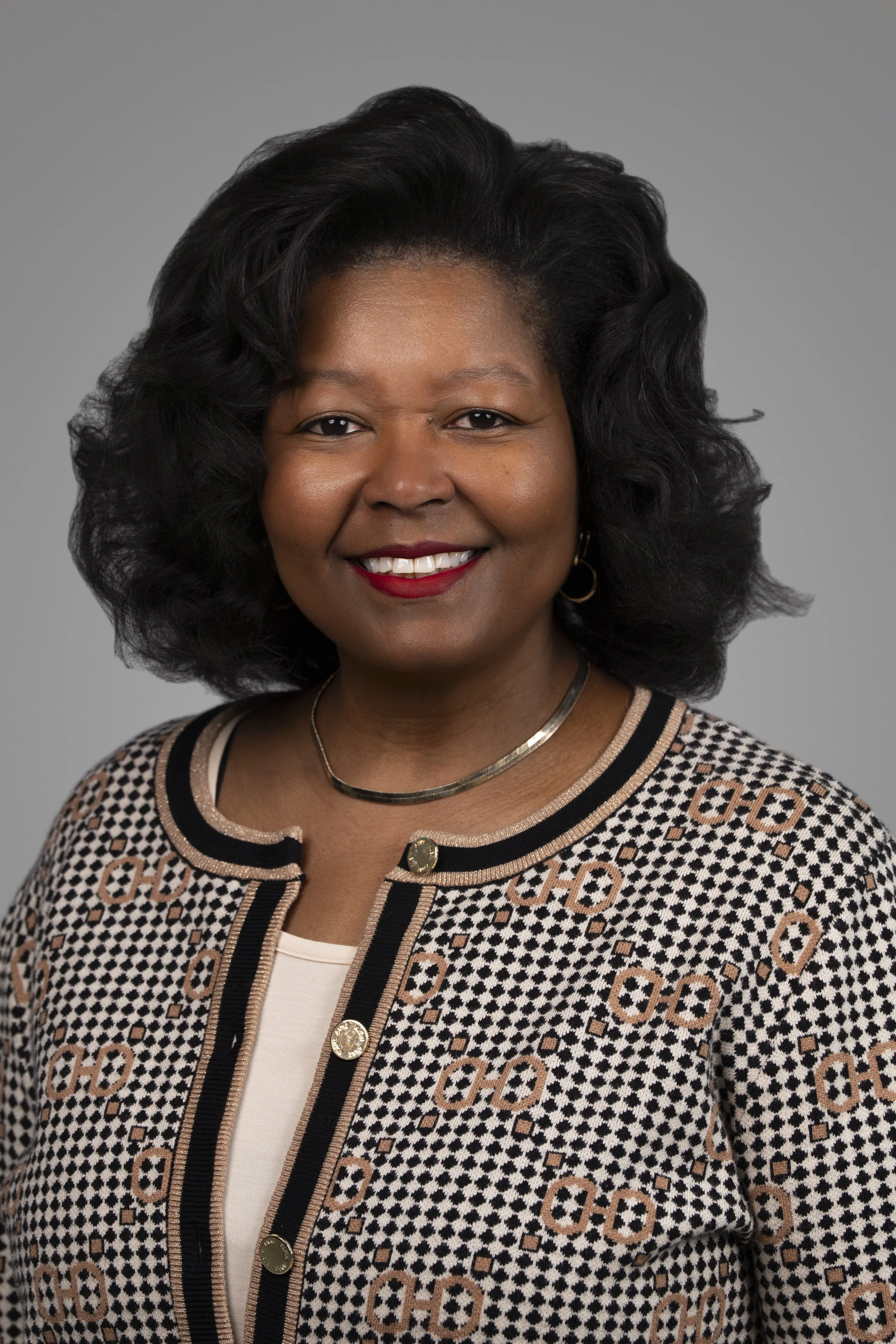
LaTonya Broome Richardson is a mission-driven event strategist with 30+ years of experience producing inclusive, purpose-centered gatherings. As Director of General Assembly & Conference Services for the Unitarian Universalist Association, she leads one of the most innovative multi-platform faith-based conferences in the U.S. Known for her principled leadership and creative execution, LaTonya brings bold, values-based solutions to the evolving challenges of event design.