
Tips & Trends: Food & Beverage
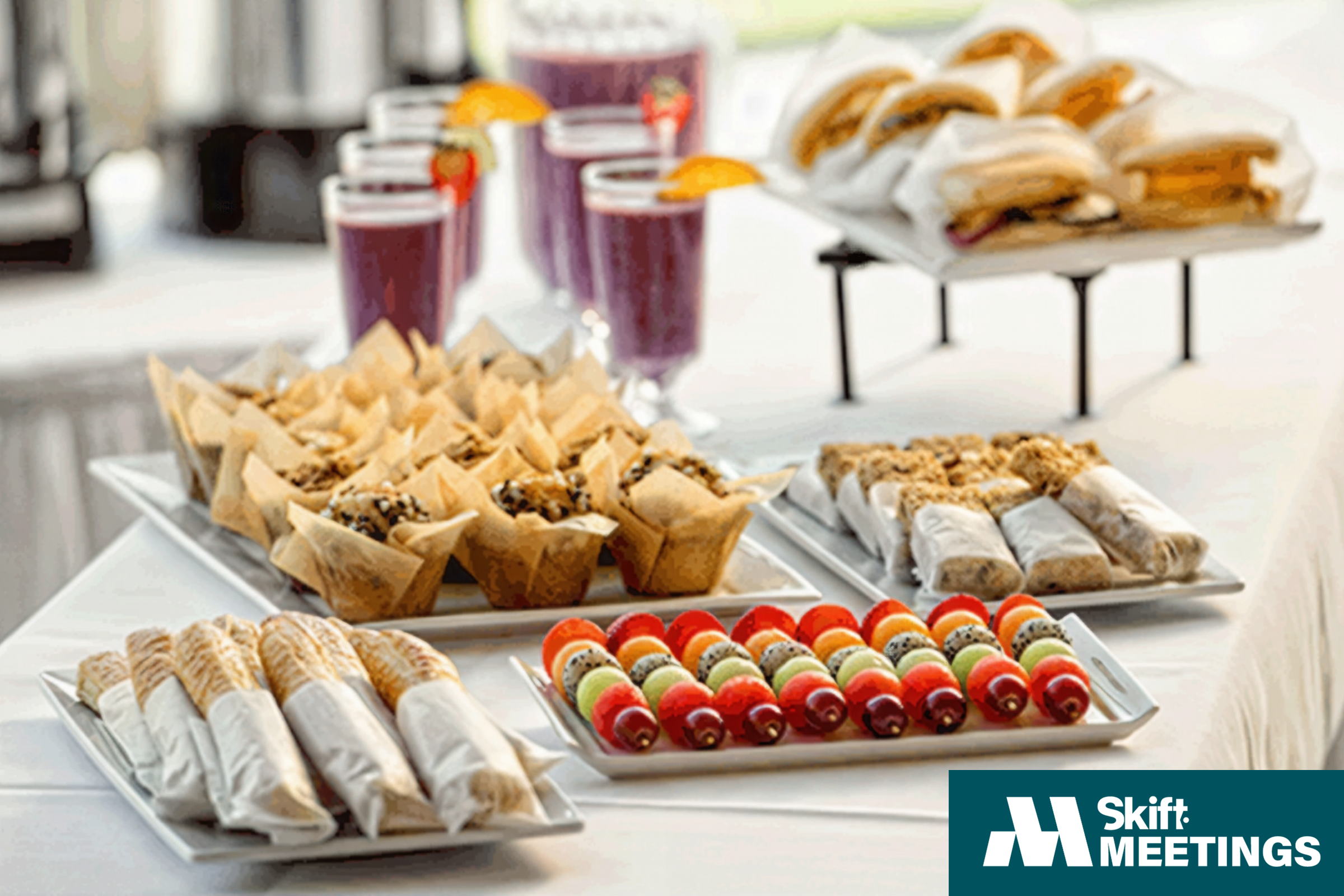
Meet and Eat: Menus for Better Networking
Food may be replacing the weather as everyone’s favorite conversation starter. “Meet and Eat: Menus for Better Networking” from Skift Meetings explores how thoughtful meal design can spark conversations and help attendees connect more naturally.
THREE IDEAS THAT STOOD OUT:
Give people a reason to mingle. Replace one long buffet with several smaller food stations so attendees naturally move around the room and meet new people.
Serve conversation-friendly food. Small plates, handheld bites, and foods that don’t require balancing utensils make it easier for guests to keep talking while they eat.
Use meals to build community. Family-style tables, chef interaction, or neighborhood restaurant experiences create shared moments that encourage conversations long after the meal ends.
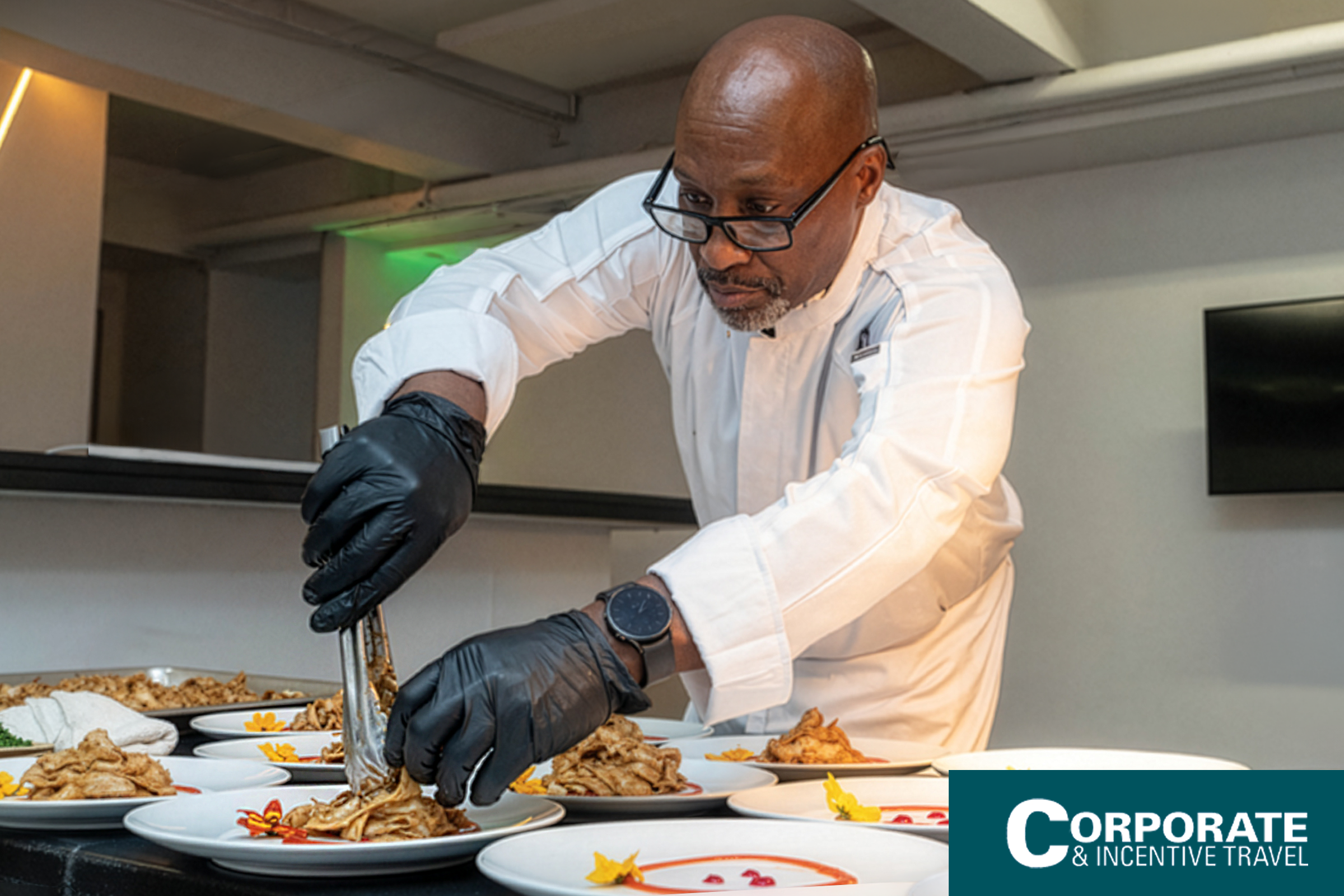
Creative F&B
“Guests want more than a meal. They want a moment.” That’s the idea event strategist Tracy Stuckrath returns to throughout “Creative F&B” from Corporate & Incentive Travel Magazine, where she explores how memorable food experiences can become one of the highlights of an event.
Stuckrath encourages planners to think beyond traditional banquet service by creating immersive, sensory experiences through chef stations, “newstalgia” comfort foods, and menus that tell the story of the destination. The article also notes that interactive food experiences naturally draw people together, giving even quieter attendees an easy way to join conversations.
Planner Takeaway: Invite your chef into the planning conversation early and ask one simple question, “What kind of experience can we create around this meal?” The answer may become one of the most memorable moments of the conference.
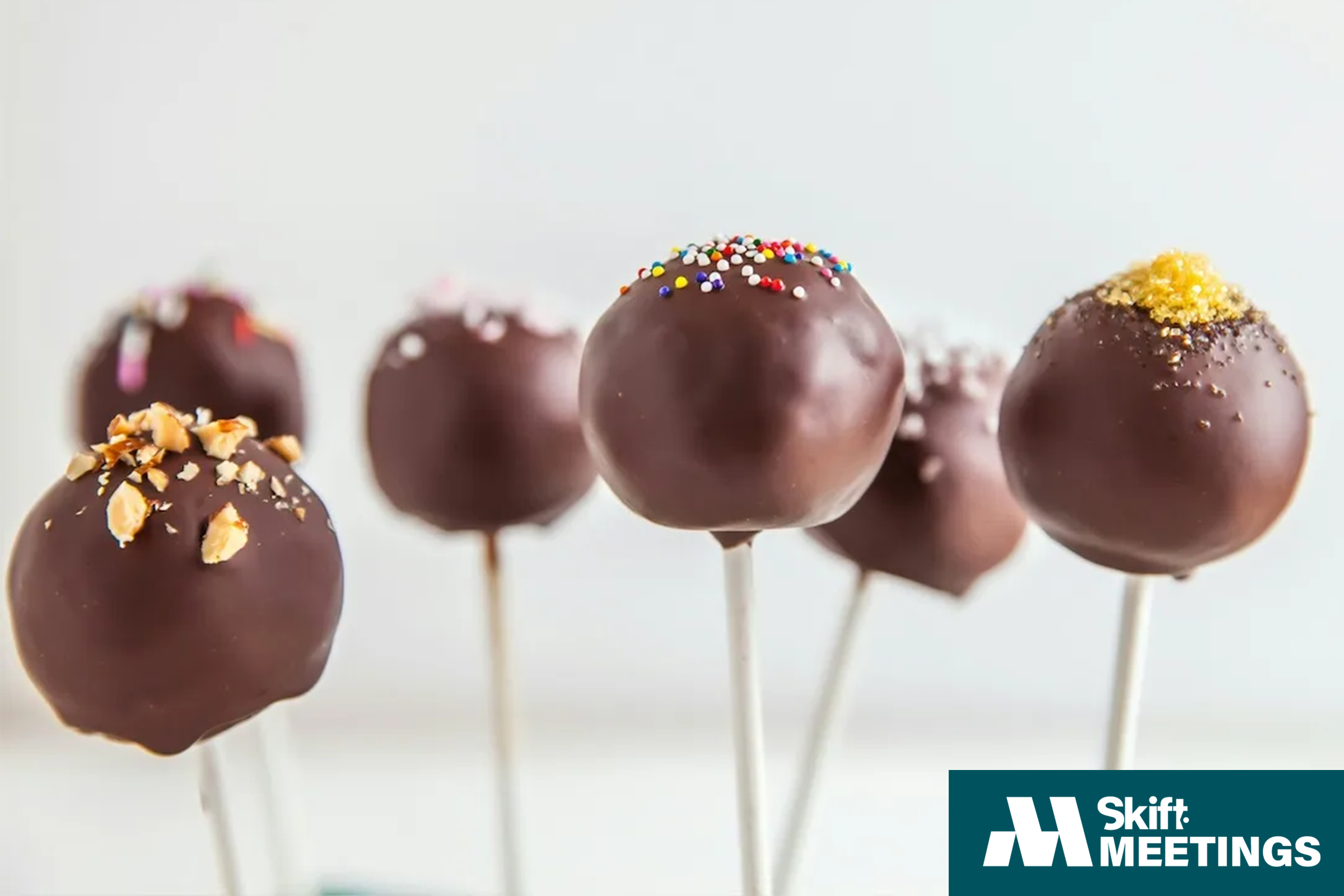
15 F&B Hacks Planners Can Use to Cut Costs
Smart food and beverage planning often comes down to a series of small decisions, and “15 F&B Hacks Planners Can Use to Cut Costs” from Skift Meetings is full of ideas planners can put to work right away.
FIVE PRACTICAL IDEAS:
Skip the sit-down breakfast.
Healthy grab-and-go options often cost less and better match when attendees actually arrive.
Think small.
Cups, bites, and smaller plates reduce waste while keeping portions appealing.
Choose seasonal produce.
Chefs can often create fresher menus while helping control costs.
Offer infused water instead of soda.
Guests appreciate the fresh option, and beverage costs stay lower.
Add DIY stations.
Build-your-own tacos, salads, or grain bowls reduce staffing needs while giving attendees flexibility.